Is Dry Eye Worse in Summer or Winter?
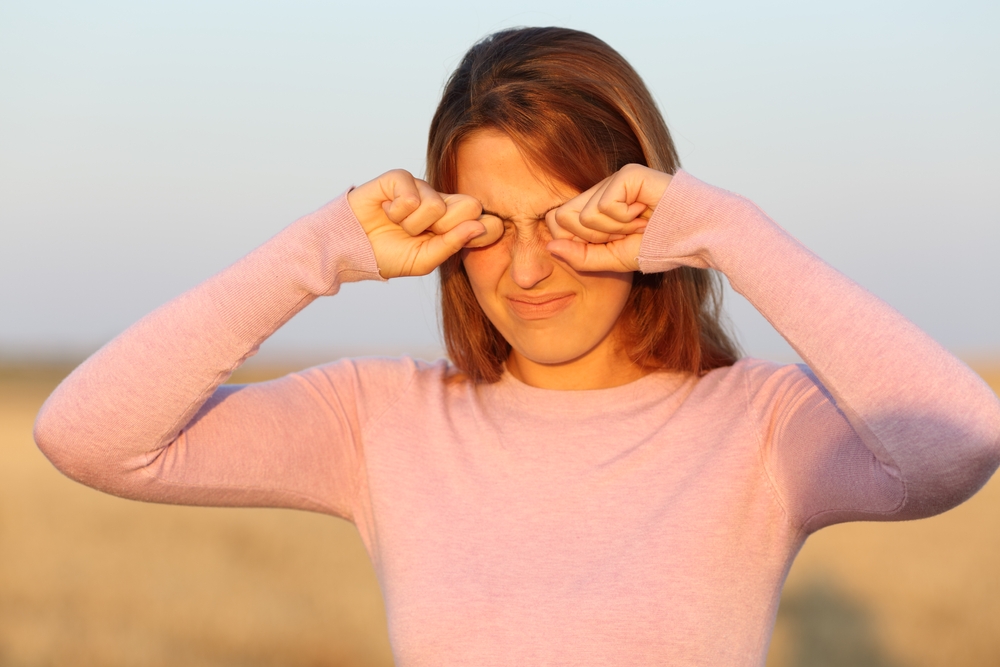
Dry eye is a common condition that occurs when your eyes don’t produce enough tears or when the tears evaporate too quickly. This can leave your eyes feeling gritty, irritated, or watery, and in some cases can even affect your vision. While dry eye can be a year-round concern, many patients notice that their symptoms change with the seasons.
How the Seasons Affect Dry Eye Symptoms
Environmental factors play a big role in how your eyes feel. The air you breathe, the humidity levels around you, and even your lifestyle habits during different times of year can all contribute to how dry your eyes become.
Summer: Hot, dry air, increased time outdoors, and exposure to wind, sun, and air conditioning can all make tear evaporation happen faster. Seasonal allergies can also inflame the eyes, making them feel more irritated.
Fall: Cooler, windy weather combined with the start of indoor heating can dry out the eyes. Fall allergies, such as ragweed, may also trigger irritation and watery, itchy eyes.
Winter: Indoor heating systems create dry air, and cold outdoor wind can also strip moisture from your eyes. Many people spend more time indoors during winter, which means prolonged screen time—a known contributor to dry eye symptoms.
Spring: Pollen counts rise in spring, leading to allergy flare-ups that cause itchy, watery, and irritated eyes. Shifts between cooler mornings and warmer afternoons can also impact tear stability and contribute to dryness.
For people sensitive to allergens, summer can feel like the worst season. For those who spend more time indoors during colder months, winter’s heated, dry air might cause more irritation. In reality, many people experience fluctuations throughout the year, and both summer and winter can worsen symptoms in different ways.
What You Can Do to Manage Dry Eye
Regardless of the season, there are steps you can take to find relief from dry eye:
Use a humidifier indoors to add moisture to the air.
Wear sunglasses outdoors to protect against wind and UV rays.
Take breaks from screens to reduce digital eye strain.
Stay hydrated by drinking plenty of water.
Use artificial tears or lubricating eye drops as recommended by your doctor.
When to See Your Eye Doctor
If you find that seasonal adjustments don’t provide enough relief, it’s time to see your eye doctor. At Northshore Optometry, we can evaluate whether your symptoms are linked to conditions like meibomian gland dysfunction (MGD) - a common cause of dry eye. Our personalized approach includes advanced testing and tailored treatments designed to improve tear quality, restore comfort, and protect long-term eye health.
Schedule Your Dry Eye Evaluation Today
Dry eye can be bothersome no matter the season, but understanding your triggers and making simple lifestyle adjustments can help reduce irritation. If discomfort persists, professional treatment may be the best way to find lasting relief.
Don’t let seasonal changes control your eye comfort, contact Northshore Optometry to schedule a consultation and explore personalized solutions for dry eye relief. Visit our office in North Muskegon, Michigan, or call (231) 744-3573 to book an appointment today.
Quick Links
Helpful Articles
article_category: products
article_category: psychiatry
article_category: faqs
article_category: cats
article_category: general
article_category: services
article_category: technology
article_category: dogs
article_category: restorative
article_category: vision therapy
article_category: contact lenses
article_category: health
article_category: conditions
article_category: eye surgery co-management
article_category: exotic
article_category: cosmetic
article_category: surgical procedures
article_category: aesthetics
article_category: preventative
article_category: ocular disease management
article_category: eyeglasses
article_category: eye health
article_category: large animal
[]
article_category: psychiatry
article_category: faqs
article_category: cats
article_category: general
article_category: services
article_category: technology
article_category: dogs
article_category: restorative
article_category: vision therapy
article_category: contact lenses
article_category: health
article_category: conditions
article_category: eye surgery co-management
article_category: exotic
article_category: cosmetic
article_category: surgical procedures
article_category: aesthetics
article_category: preventative
article_category: ocular disease management
article_category: eyeglasses
article_category: eye health
article_category: large animal
[]
Flowbite is an open-source library of interactive components built on top of Tailwind CSS including buttons, dropdowns, modals, navbars, and more.
Check out this guide to learn how to get started and start developing websites even faster with components on top of Tailwind CSS.
All Eye Care Services
Find personalized eye care excellence with our comprehensive services. From eye exams to advanced diagnostics, trust us for all your vision needs.

Keep In Touch
For non-urgent questions or to learn more about our services, contact us today!
Quick Links
Contact Info
- 1179 Whitehall Rd. Suite B
North Muskegon, MI 49445 - Phone: (231) 744-3573
- Fax: (231) 719-9016
Hours of Operation
- Monday 10:30am - 6:30pm
- Tuesday 8:00am - 5:30pm
- Wednesday 8:00am - 5:30pm
- Thursday 8:00am - 5:30pm
- Friday Closed
- Saturday Closed
- Sunday Closed
- *Closed from 1:00pm - 2:00pm for lunch
- Monday
- Tuesday
- Wednesday
- Thursday
- Friday
- Saturday
- Sunday
- Monday
- Tuesday
- Wednesday
- Thursday
- Friday
- Saturday
- Sunday
© 2025 Northshore Optometry. All rights Reserved - Accessibility Statement - Privacy Policy - Sitemap
Managed and Designed by 